Ozempic, Wegovy and Mounjaro: What to Know About GLP-1 Medications Before Trying to Conceive
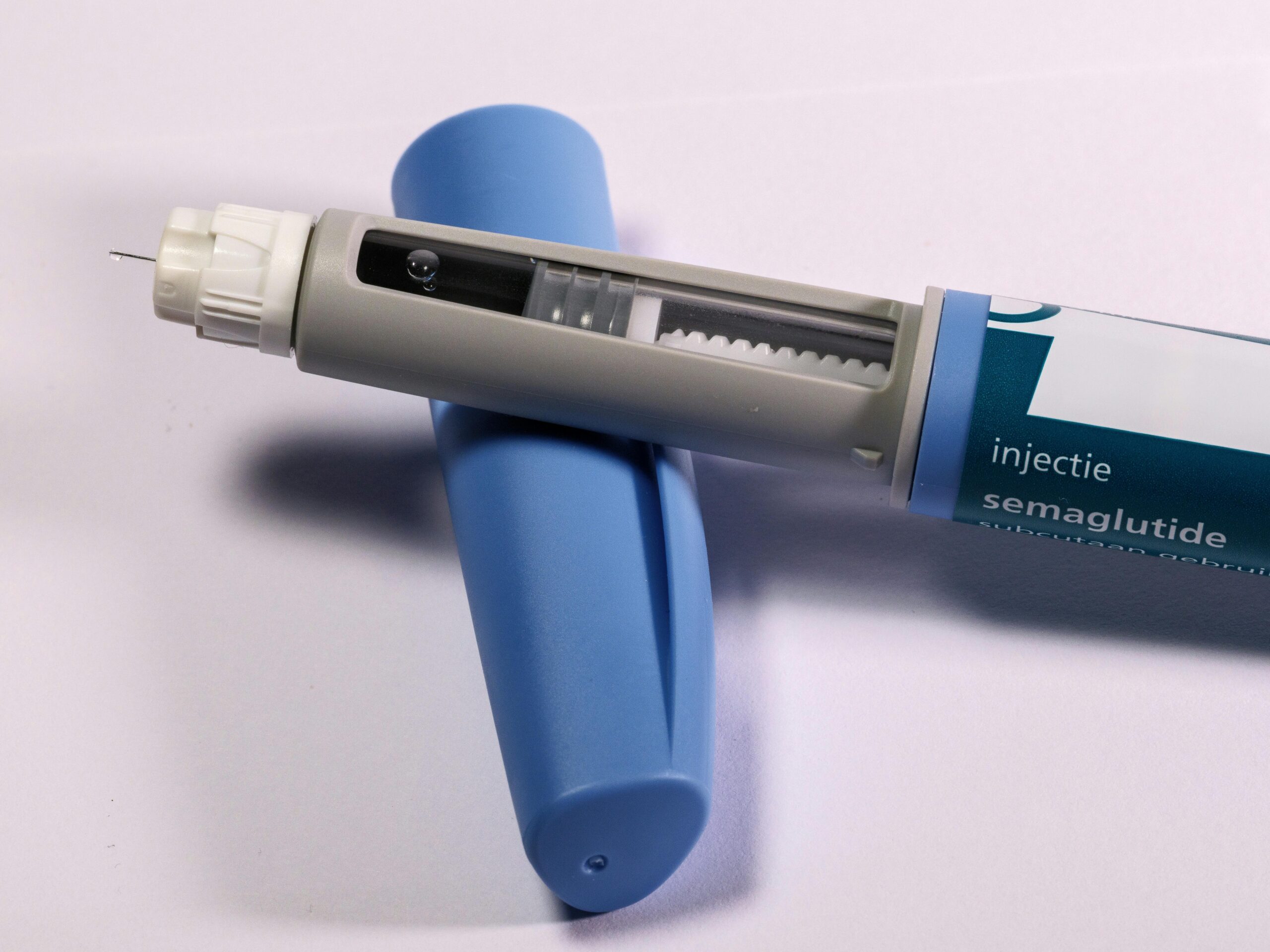
A fertility dietitian’s guide to GLP-1 medications, PCOS, IVF and pregnancy planning.
GLP-1 medications like Ozempic, Wegovy and Mounjaro are increasingly being used across Australia for weight loss, type 2 diabetes, insulin resistance and PCOS management.
For many people, they’ve been transformative for metabolic health – but if you’re planning to conceive, whether naturally or through fertility treatments like IVF, there are important considerations for GLP-1 use in proximity to conception.
Because optimising your metabolic health an important part of the picture of improving your pre-pregnancy and pregnancy health, alongside the timing GLP-1 transition before pregnancy.
The main issue has been that simply, we don’t have enough safety data about the use of medications like Ozempic, Wegovy & Mounjaro immediately before and during pregnancy.
Let’s walk through what we currently know.

Too Long, Didn’t Read?
- GLP-1 medications should not be used during pregnancy.
- Contraception is recommended while taking GLP-1s.
- A washout period of approximately 2-3 months is advised before trying to conceive.
- Evidence for fertility benefits is largely limited, but early studies are positive
- Nutritional intake and muscle mass may be compromised while on treatment.
- Preconception planning is essential before starting or stopping a GLP-1 medication.
What Are GLP-1 Medications?
GLP-1 receptor agonist medications work by copying the effect of a hormone your body already makes, aptly named GLP-1.
The GLP-1 hormone helps to:
- Manage blood sugar
- Improve insulin levels
- Reduce appetite
- Slow down how quickly food leaves your stomach
Because they help control appetite and improve insulin sensitivity, many people experience weight loss and better blood sugar control while taking them. This can be a game changer for so many people.
But when we’re planning for pregnancy, we need to zoom out and look at the bigger picture: not just weight or blood sugar, but egg quality, sperm health, nutrient stores and timing as well.
Can GLP-1 Medications Improve Fertility?
Short answer? possibly – particularly for those with PCOS and/or insulin resistance.
PCOS is one of the main groups where we see potential benefit. Around 70% of women with PCOS experience insulin resistance, which plays a significant role in disrupted ovulation.
Because GLP-1 medications improve insulin sensitivity, they may indirectly support more regular ovulation in this group.
Related Reading: The TRUTH about whether weight loss surgery can help with PCOS!
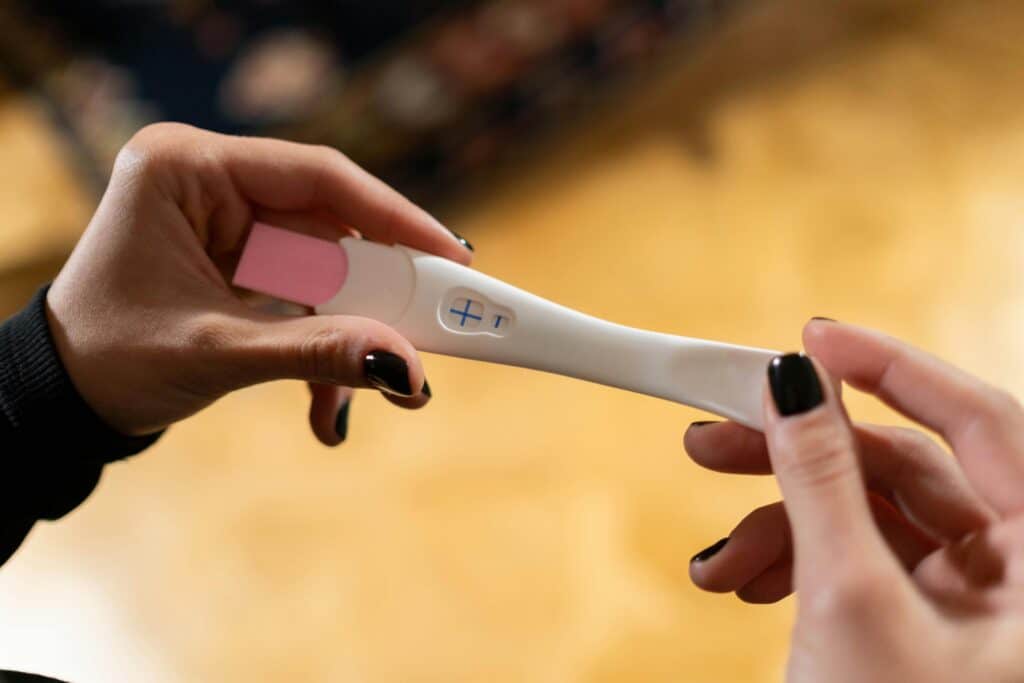
Some early-phase trials have shown improved ovulation rates and reductions in androgen levels, two key fertility challenges in those with PCOS. However, further research is needed to validate these findings in larger, more diverse populations and over a longer period of time.
Women living in higher-weight bodies may also experience improved ovulation with weight loss prior to pregnancy, particularly if insulin resistance is present. In these cases, improving metabolic health can positively influence reproductive function, such as ovulation.
However, we still don’t have strong evidence showing that GLP-1 medications directly improve live birth rates or long-term fertility outcomes.
While the data are encouraging, it’s important to step back and consider the whole individual – their nutrition, lifestyle, mental health and fertility timeline.
Should You Stop Ozempic or GLP-1 Medications Before Trying to Conceive?
Yes.
Current guidance recommends stopping GLP-1 medications before conception and avoiding use during pregnancy due to insufficient safety data.
Contraception is generally recommended while taking GLP-1 medications.
Based on current data, a washout period of approximately 2-3 months before actively trying to conceive or starting fertility treatments such as egg collection or embryo transfer. Always consult your prescribing doctor for individualised advice.
Our founder, Stefanie, recently attended an international conference (ESHRE) in Paris where data was presented from a Danish study conducted on over 750,000 Danish pregnancies to see whether exposure to GLP-1 receptor agonists within 8 weeks prior to conception had any impact on the outcome of the pregnancy itself.
They found that 529 women were exposed in that 8 week period, and those women did have:
- Higher rates of pre-eclampsia
- Higher rates of large for gestational age babies
- Higher rates of pre-term delivery
The authors noted though, it was hard to isolate the effects to the medication itself or the health factors associated, particularly rebound weight gain on top of gestational weight gain in pregnancy which may increase the risk of some of these concerns also.
Why? Because we know that egg and sperm development/maturation begins well before conception. The 3 month lead up to conception is the time to be optimising egg and sperm quality through prioritising boosting essential fertility nutrients, which is quite tricky with a suppressed appetite for many individuals!

Why Is Preconception Nutrition Important When Taking a GLP-1?
At The Dietologist, as fertility dietitians, we frequently see clients having difficulty meeting nutrient requirements while taking GLP-1 medications due to appetite suppression.
- Some people struggle to eat enough, leading to low intake of nutrients essential for fertility and pregnancy. We want to avoid heading into this nutrient demanding time on the back foot!
- Rapid weight loss without a focus on protein and resistance training can also lead to muscle loss.
- Once stopped, your usual appetite often returns fast, without a plan, this can result in rebound weight gain, even into pregnancy.
Working with a dietitian while taking a GLP-1 can be incredibly beneficial. It helps minimise muscle loss, maintain and optimise nutrient stores, and ensures a smoother transition off the medication in the months leading up to conception.
Read more: What Does a Fertility Dietitian Do?
Then, as mentioned above, after stopping the medication, we would ideally allow at least 3 months to focus on receiving adequate nutrition, rebuilding strength and preparing the body for a healthy pregnancy.
Read more: The Mediterranean Diet for Fertility
If You’re Considering Starting a GLP-1 – Ask These Questions First
If you want a baby in the near future, ask:
- When do I realistically want to conceive?
- How long do I plan to take this medication?
- Am I planning IVF or egg freezing?
- How will we transition off safely and that minimises the impact to the results I have achieved so far?
- Who is monitoring my nutrient intake?
- How are we protecting muscle mass?
- How will I navigate weight regain after I stop this medication?
GPs and other prescribing practitioners should routinely discuss reproductive timelines before initiating GLP-1 therapy in women of reproductive age, make sure to bring this up if you plan to conceive in the near future!
Download our FREE Ultimate Preconception Lifestyle Checklist! This practical, easy-to-follow checklist breaks down everything you need to know about supplements, diet, lifestyle, and environmental factors to consider before trying to conceive-helping you take charge of your preconception journey.

GLP-1 Medications & Planning a Pregnancy: A Summary
GLP-1 medications show promise in improving metabolic markers and ovulation in specific populations, particularly women experiencing infertility at a higher weight and PCOS.
That’s encouraging.
But when we zoom out, the bigger picture still isn’t clear. Fertility-specific human data are limited, and we don’t yet have strong evidence around live birth rates or long-term child outcomes. Safety during pregnancy hasn’t been established either.

For that reason, GLP-1 medications shouldn’t be taken during pregnancy, and we wouldn’t recommend using them in the two to three months leading up to conception.
If you’re currently taking a GLP-1 and planning a pregnancy, having a clear transition plan in place really matters.
As fertility dietitians, we’re genuinely excited to see where the research goes in this space. But for now, a thoughtful, evidence-based and cautious approach is the safest way forward.
Frequently Asked Questions About GLP-1 Medications and Fertility
How long should I stop Ozempic before pregnancy?
It is generally recommended to stop GLP-1 receptor agonist medications such as Ozempic, Mounjaro or Wegovy before conception and allowing for a washout period of approximately 2–3 months.
Can GLP-1 medications improve egg quality?
There is currently no robust human evidence demonstrating improved egg quality or live birth rates in those who use GLP-1s prior to pregnnacy.
Are GLP-1 medications safe in pregnancy?
GLP-1 medications are not recommended during pregnancy due to insufficient safety data.
Can men take GLP-1 medications while trying to conceive?
There is currently very limited fertility-specific human data in men. Consultation with a medical professional is recommended.
Do GLP-1 medications replace lifestyle changes for fertility?
No. Nutrition, strength training and overall lifestyle habits still play a huge role in egg quality, sperm health and pregnancy outcomes. A medication can support the process, but it doesn’t replace the foundations.
Ready to Prepare Your Body for Pregnancy?
Taking or thinking about a GLP-1 and planning pregnancy?
Our Fertility Nutrition Intensive is designed to help you:
- Identify nutrient gaps
- Optimise protein intake
- Protect lean muscle mass
- Support egg and sperm quality
- Plan a safe transition off medication
- Align your nutrition with your fertility timeline
We provide comprehensive, evidence-based fertility nutrition care to help you get pregnant, stay pregnant and have a healthy baby – on your terms .
Book your Fertility Nutrition Intensive with one of our Australian fertility Dietitians in our virtual clinic today and and take control of your fertility story.