New Global Guidelines on Antioxidants for Male Infertility: Do Supplements Actually Work?
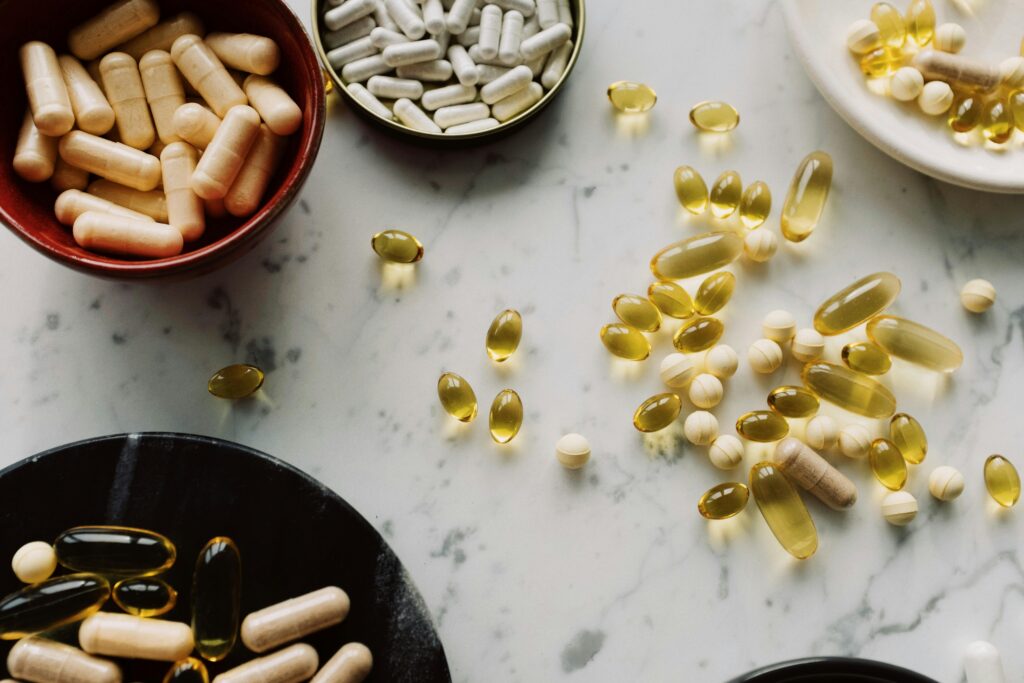
Male fertility supplements are everywhere. From CoQ10 and zinc to lycopene and L-carnitine, many men trying to conceive are taking antioxidants in the hope of improving sperm quality and increasing their chances of pregnancy.
The new guidelines reviewed the evidence behind antioxidant use for male infertility and brought together over 150 fertility experts worldwide to develop evidence-based recommendations for clinical practice.
The takeaway? Antioxidants may help some men but they’re not a magic fix, and more isn’t always better.
Let’s unpack what the new research actually says.
What Are Antioxidants and Why Do They Matter for Sperm Health?
Antioxidants are compounds that help neutralise free radicals, unstable molecules that can damage cells throughout the body, including sperm.
In male fertility, excess free radicals can contribute to oxidative stress, which has been linked to:
Reduced sperm motility
Poor sperm morphology
Lower sperm concentration
Sperm DNA fragmentation
Poor embryo development
Delays to conception
The guidelines note that 30–80% of infertile men reportedly have elevated reactive oxygen species (ROS) levels in their semen, suggesting oxidative stress may play a significant role in male infertility.
Importantly, some oxidative stress is actually necessary for normal sperm function. Problems arise when levels become excessive and overwhelm the body’s natural antioxidant defence systems.
This is where fertility nutrition, lifestyle factors and in some cases targeted supplementation may play a role.
What Did The New 2026 Expert Consensus from the Global Andrology Forum Have to Say?
The group developed recommendations around supplemental antioxidant use in male infertility.
Some recommendations received strong expert agreement, while others were classified as weak due to inconsistent or low-quality evidence.
The strongest recommendations included:
1. Men should have a proper fertility assessment before taking supplements
The strongest recommendation from the panel was that men should undergo a thorough fertility workup before starting antioxidant therapy.
This is important because supplements may delay appropriate diagnosis and treatment if underlying issues are missed.
At The Dietologist, this is something we strongly agree with. Supplements (and diet) should support a comprehensive fertility plan – not replace one.
2. Antioxidant treatment should be about 3-6 months
The guidelines also suggested that antioxidant supplementation for male fertility should generally be used for around 3-6 months. This timeframe aligns with spermatogenesis (the process of developing new sperm) which takes approximately 2-3 months from start to finish.
In practice, this means any positive changes to diet, lifestyle or supplementation may take several months to appear in semen parameters. So start before you’re actively trying or pursuing fertility treatments, time is your biggest asset when leveraging lifestyle for male fertility.
At The Dietologist, we often remind our community that meaningful changes to both egg and sperm quality take time at least 3 months, ideally 6 months, – which is why starting early matters
One of the highest-ranked recommendations was that lifestyle interventions, like:
smoking cessation
weight management
physical activity
improving sleep
reducing alcohol intake
and improving diet quality
All of these can positively impact sperm health.
In other words: antioxidant supplements are the icing on the cupcake, not the cupcake itself.
Research consistently shows dietary patterns like the Mediterranean diet are associated with improved sperm quality, reduced inflammation and better overall reproductive health.
4. Sperm DNA fragmentation and oxidative stress testing may help identify underlying contributors to male infertility
The expert panel agreed that assessing sperm DNA fragmentation and oxidative stress may help uncover underlying factors impacting fertility and allow for more personalised treatment approaches.
5. Antioxidants may improve the outcomes of both naturally induced and artificially induced pregnancies
The guidelines found some evidence that antioxidant supplementation may improve pregnancy and live birth outcomes in certain cases of male infertility. However, results across studies remain inconsistent, with some large clinical trials showing little to no benefit. Overall, the expert panel concluded that while antioxidants may be helpful for some men, more robust research is needed before specific supplements can be universally recommended.
Reduced pregnancy rates via natural conception or intra-uterine insemination
Poor ART/IVF outcomes
Recurrent pregnancy loss
Unexplained infertility
The expert panel strongly agreed that assessing oxidative stress and sperm DNA fragmentation may help identify men who could benefit from more targeted treatment.
Which Antioxidants Have The Most Evidence for Male Fertility?
The guidelines did not endorse one “best” male fertility supplement. However, several nutrients repeatedly appeared throughout the evidence base.
These included:
Coenzyme Q10 (CoQ10)
Vitamin C
Vitamin E
L-carnitine
Omega-3 fatty acids
The guidelines also discussed combination antioxidant formulations, although evidence remains inconsistent regarding which supplements or combinations are most effective.
This is one of the most common questions we get in our virtual clinic here at The Dietologist.
The new guidelines recommend antioxidant treatment protocols generally be used for around 3-6 months, which aligns with the sperm development cycle.
Sperm take approximately 2–3 months to fully develop, meaning changes made today may take several months to show up in semen parameters.
However, interestingly research has found that men who were taking a fertility supplement for 3 months saw less improvements in sperm health compared to those who were taking their supplement for 6 months (Salas-Huetos, 2018)
This is where personalised advice matters.
Are Male Fertility Supplements Worth It?
The honest answer?
For some men – potentially yes.
But the evidence is not strong enough to suggest that every man trying to conceive should automatically take large doses of fertility supplements.
The strongest evidence appears to be for men with:
Ready to Support Sperm Health With Evidence-Based Nutrition?
Whether you’re preparing for conception, IVF, egg freezing or simply wanting to optimise reproductive health, our Australian fertility dietitians can help you create a practical and personalised plan via our virtual clinic.