Hashimoto’s and Fertility: What You Need to Know

Hashimoto’s thyroiditis is an autoimmune condition that can impair thyroid hormone production. When thyroid levels are not optimally managed, this can affect ovulation, menstrual regularity and early pregnancy outcomes.
With appropriate medical care from an endocrinologist and personalised fertility nutrition support, many women with Hashimoto’s conceive and have healthy pregnancies.
What is Hashimoto’s?
Hashimoto’s thyroiditis is an autoimmune condition where the immune system attacks the thyroid gland.
Over time, this may reduce the thyroid’s ability to produce hormones essential for metabolism, brain function and reproductive health (hypothyroidism).
Symptoms of hypothyroidism include:
- Fatigue
- Weight gain
- Cold intolerance
- Puffy and pale face
- Muscle pain
- Constipation
- Headache
- Poor memory or attention span
- Depression
- Brittle hair & nails
Because these symptoms overlap with many other conditions, proper blood testing through your GP is essential before making assumptions.
What Does the Thyroid Actually Do?
The thyroid is a small gland in your neck, but it plays a big role in how your body functions.
It helps regulate:
- Your metabolism (how your body uses energy)
- Body temperature
- Heart rate
- Blood pressure
- Energy levels
- Reproductive hormones
In simple terms:
Your thyroid helps keep your body’s systems running smoothly – including your menstrual cycle and ovulation.
Every cell in your body depends on thyroid hormones.
Including your reproductive system and menstrual cycle…
Can Hashimoto’s Affect Fertility?
Yes, particularly if thyroid hormone levels are not optimally managed.
Ovulation and Hashimoto’s Thyroiditis
Low thyroid hormone levels can delay or prevent ovulation, which may make conception more difficult.

Cholesterol and Hashimoto’s
Did you know an underactive thyroid can raise cholesterol levels? Low thyroid hormones make it harder for your body to clear LDL cholesterol. The good news? Treating hypothyroidism often improves cholesterol too.
And remember, cholesterol is also the building block for key reproductive hormones like estrogen and progesterone.
Digestion and Hashimoto’s
You might also experience changes in digestion (hello, bloating or sluggish bowels), low mood, or fatigue – all of which can sometimes be early signs that your thyroid may need support.
Even mild imbalances in thyroid hormones can have ripple effects on menstrual regularity, egg quality and implantation.
That’s why checking in on your thyroid is an important, but often overlooked, step when you’re trying to conceive.

However, it’s important to remember:
Hashimoto’s does not automatically mean infertility.
With appropriate medical treatment and monitoring, many women with Hashimoto’s conceive successfully.
Related Reading: The Gut and Reproductive Microbiome: What You Really Need to Know for Your Fertility
Can Nutrition Support Hashimoto’s Thyroiditis Management?
Nutrition does not cure Hashimoto’s.
However, specific nutrients are important for supporting thyroid function:
Iodine
Iodine is essential in the production of thyroid hormones T3 and T4.
Adults require about 150 mcg per day. (Source: NRVs).
Good sources of iodine include:
- Iodised salt
- Bread made with iodised salt
- Seafood and fish
- Wakame seaweed
- Noris seaweed
- Eggs
Since iodine fortification was introduced in 2009 in Australia, the number of adults meeting iodine recommendations increased, especially in the target group which was women of child-bearing age (Source: FSANZ).
Selenium
Selenium is another mineral found in high concentrations in the thyroid. It plays an important role in antioxidant protection and thyroid hormone metabolism.
Foods rich in selenium include:
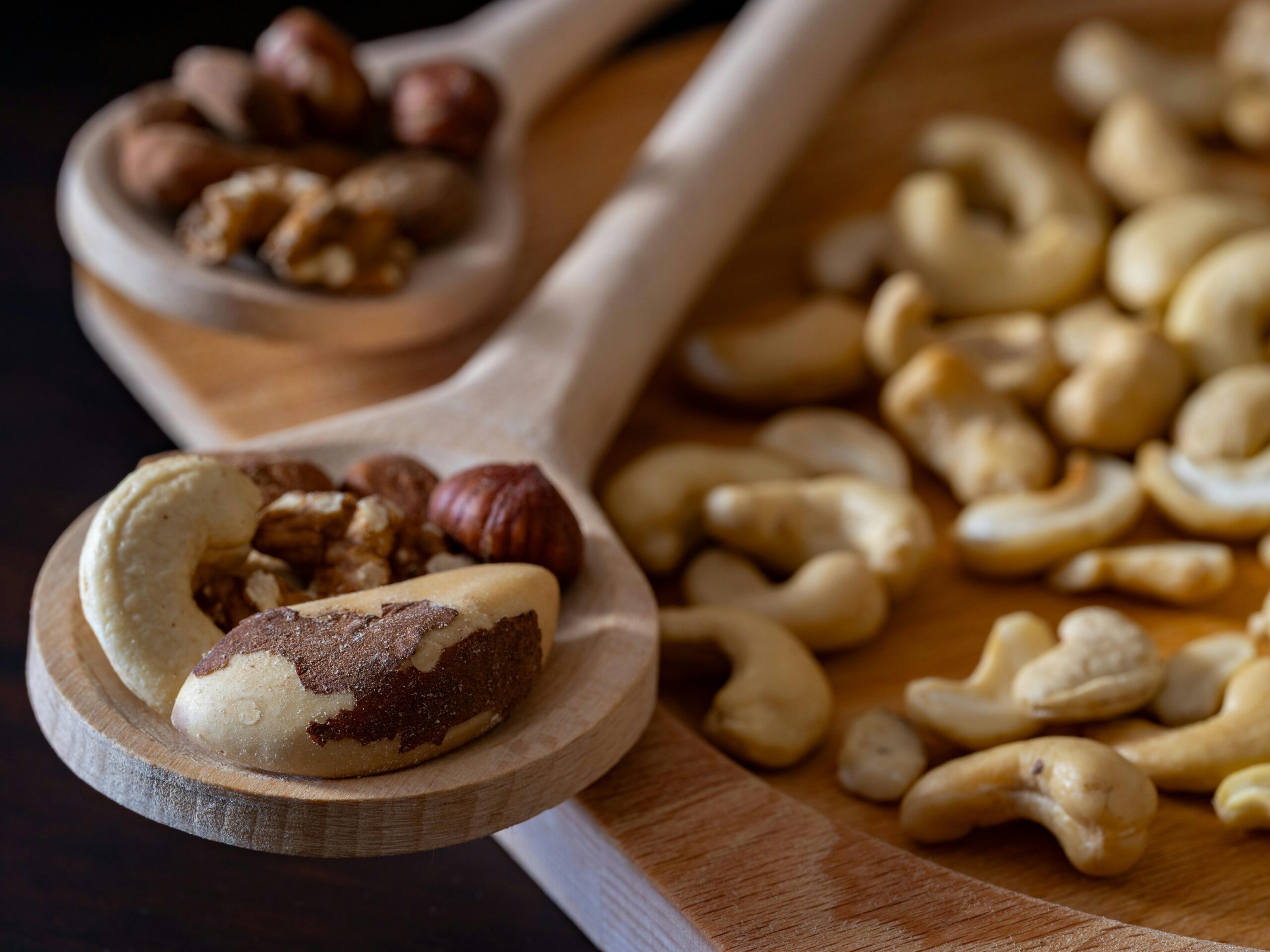
- Brazil nuts
- Seafood, like tuna
- Eggs
- Whole grains
Vitamin D
Low vitamin D levels can be common, including in Hashimoto’s. Make sure to get vitamin D tested and supplement if needed.
Anti-Inflammatory Diet for Hashimoto’s
Embrace an anti-inflammatory diet, as Hashimoto’s is a chronic inflammatory condition. Using diet strategically can help support a more anti-inflammatory state and hopefully translates to improved thyroid health, alongside medical management strategies.
Foods to include for an anti-inflammatory diet include:
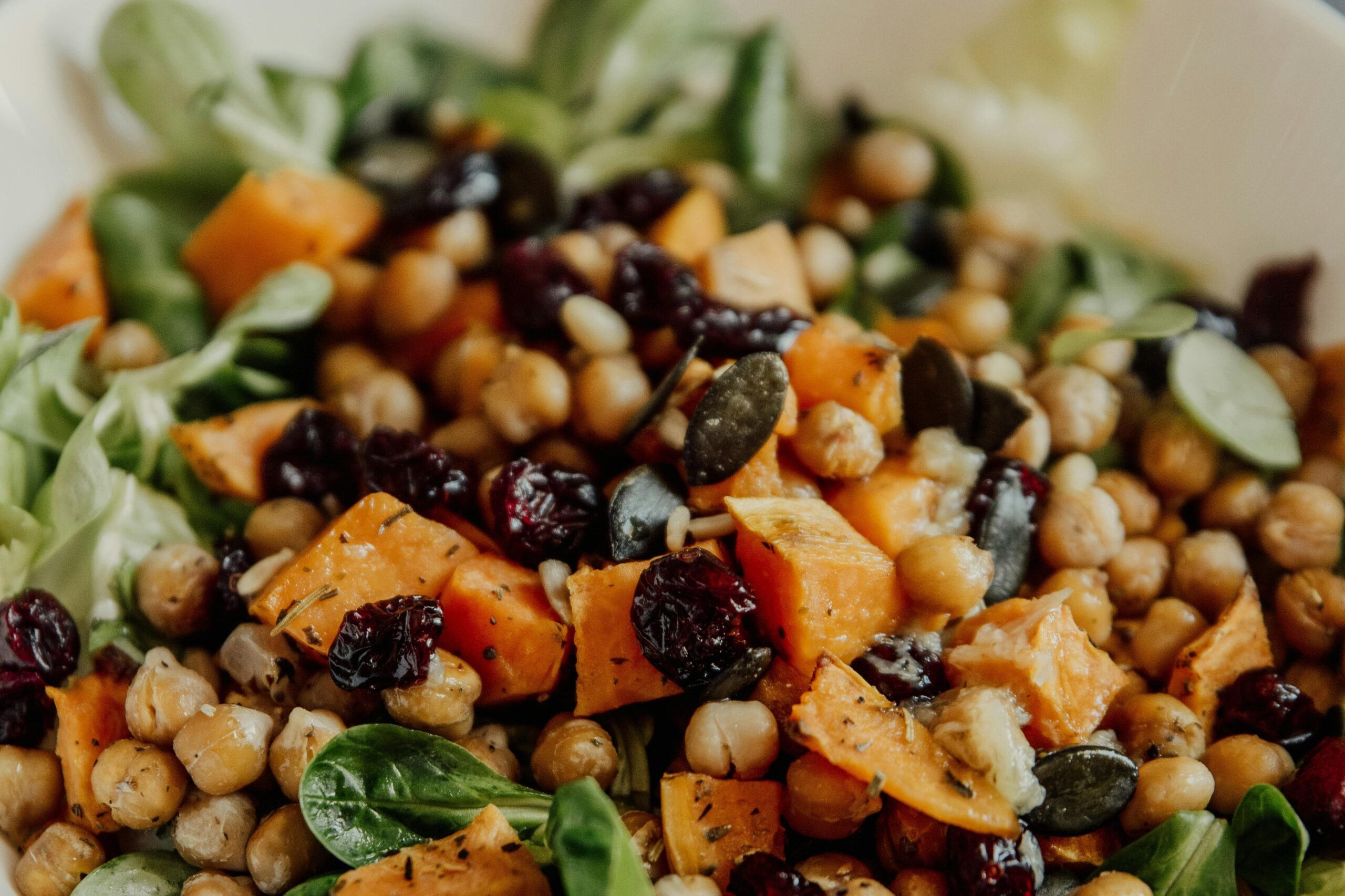
- Antioxidant-rich foods like berries, cherries, stonefruit, green leafy vegetables, tomatoes
- Whole grains such as brown rice, quinoa & oats
- Nuts & Seeds
- Healthy fats like extra virgin olive oil, avocado, nut butters
- Omega-3 rich fish such as salmon, ocean trout, mackerel, sardines & anchovies
Get our FREE IVF Essentials Audio Guide narrated by our founder, Stefanie Valakas APD, award-winning fertility dietitian & nutritionist stepping you through the nutrition changes from egg collection, sperm health to implantation & the two week wait. Access the audio guide here.
Should You Go Gluten-Free If You Have Hashimoto’s?
A gluten-free diet is commonly discussed a consideration in Hashimoto’s, because of a crossover between people with Coeliac Disease, another autoimmune condition, and also Hashimoto’s itself.
A gluten free diet is medically necessary for anyone with Coeliac Disease.
For Hashimoto’s without Coeliac Disease, current evidence does not support universal gluten elimination.
Some individuals report symptom improvements, but unnecessary restriction may:
- Reduce nutrient intake
- Increase food stress
- Limit dietary variety
A personalised approach is best. If this is something you are considering, book in a consult with our resident Hashimoto’s dietitian, Alex Barresi, for a virtual consult to make sure you aren’t missing out on any key nutrients and for advice on how to track progress in your Hashimoto’s to see if a gluten-free diet is really working for you.

Hashimoto’s Thyroiditis and Pregnancy
Pregnant? Congratulations! During pregnancy, your body needs higher amounts of certain nutrients that support thyroid hormone production, including iodine.
Make sure your prenatal supplement contains iodine to help meet these increased needs.
Unsure which prenatal supplement to choose? Our Express Prenatal Supplement Consult reviews your medical history, blood work, mode of conception and diet to help determine the most appropriate prenatal supplement for you.
If you are planning a pregnancy, or if you are already pregnant or breastfeeding, it’s important that your thyroid function is tested, monitored and treated as needed to support both your health and your baby’s development. Discussing the testing schedule and any medication adjustments with your GP, obstetrician or endocrinologist is key to ensure you and your baby are feeling as good as can be!

Hashimoto’s Thyroiditis & Perinatal Health: A Summmary
Hashimoto’s can feel overwhelming, especially when you’re trying to conceive or preparing for pregnancy. The good news is that with the right medical care, regular monitoring and supportive nutrition strategies, many people with Hashimoto’s go on to have healthy pregnancies and healthy babies. Take care of your thyroid, get tested, and seek guidance on your diet to help manage your condition.
If you’re looking for a dietitian who understands hypothyroidism and fertility, our team at The Dietologist offers virtual consultations to help support you on your journey.
Book your appointment now with our qualified & award-winning Australian Fertility Dietitians and take control of your fertility story today.